Canada’s Scientific Research and Experimental Development (SR&ED) program is one of the most generous R&D tax incentive programs in the world. Aircraft parts manufacturers are strong candidates for these credits, but many leave money on the table because they do not realize their work qualifies.
What is SR&ED?
SR&ED is a federal tax incentive that provides investment tax credits (ITCs) for eligible R&D work performed in Canada. For Canadian-controlled private corporations (CCPCs), the ITC rate is 35% on the first $3 million of qualified expenditures, and the credit is refundable (you get cash even if you owe no tax). Above $3 million, the rate drops to 15% and is non-refundable. Ontario adds a 3.5% provincial ITC on top.
What qualifies in aircraft parts manufacturing
Many manufacturers think SR&ED is only for companies with a formal R&D lab. That is not the case. If your work involves trying to solve a technical problem where the solution was not known in advance, it may qualify.
Examples in the aircraft parts sector:
- Developing a new alloy composition or heat treatment process to meet specific aerospace material specifications (AMS or ASTM standards)
- Designing tooling or fixtures to achieve tolerances that existing methods could not reliably produce
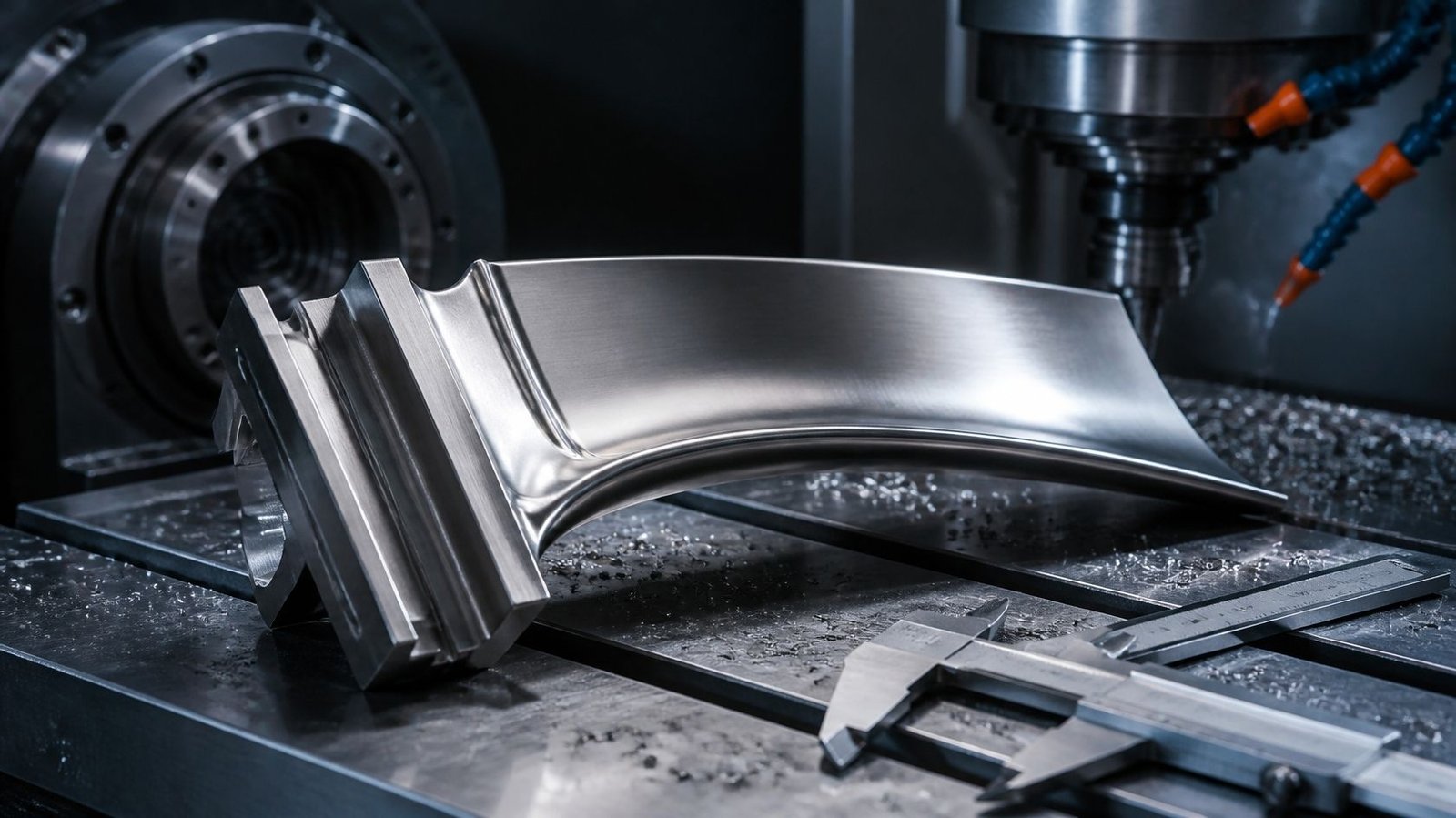
- Modifying a CNC machining process to work with a new material (titanium alloys, composites, superalloys)
- Prototyping and testing a new component design to meet certification requirements (FAA, TCCA)
- Developing or improving a non-destructive testing (NDT) method for quality assurance
- Process improvements that involved systematic investigation to reduce scrap rates or improve cycle times
The key is technological uncertainty. If you had to experiment, test, and iterate because the outcome was not predictable based on standard practice, the work likely qualifies.
What does NOT qualify
- Routine quality control and testing
- Market research and sales activities
- Style or cosmetic changes
- Standard production using established processes
- Work done outside Canada
What expenses are eligible
- Salaries and wages of employees directly engaged in SR&ED
- Materials consumed or transformed in the R&D
- Subcontractor costs (80% of the amount paid to arm’s-length subcontractors)
- Overhead using the proxy method (55% of eligible salary costs)
The bottom line
For an aircraft parts manufacturer spending $500,000 on qualifying R&D, the SR&ED credit can be worth $175,000 or more in refundable cash. That is real money that offsets the cost of innovation.
L&R Accounting works with manufacturers on SR&ED claims, from identifying eligible projects to preparing the technical narrative and financial schedules. If you think your work might qualify, let us take a look.
Geetha Srinivasan, CPA (Ontario), CPA (US)
L&R Accounting Services Ltd.